
Skeleton text
Skeleton text
Skeleton text
Skeleton text
Skeleton text
Skeleton text
Care Guide


Rib Knit fabrics are beloved for their stretch, texture, and comfortable fit, often used in sweaters, tops, cuffs, and casual wear. The characteristic raised ribs not only add visual interest but also provide elasticity, allowing garments to hug the body comfortably. Despite their resilience, Rib Knit fabrics require careful handling to maintain shape, prevent stretching, and preserve the defined rib texture. This guide provides practical steps to help your Rib Knit garments stay soft, structured, and wearable for years.
01|Understanding Rib Knit
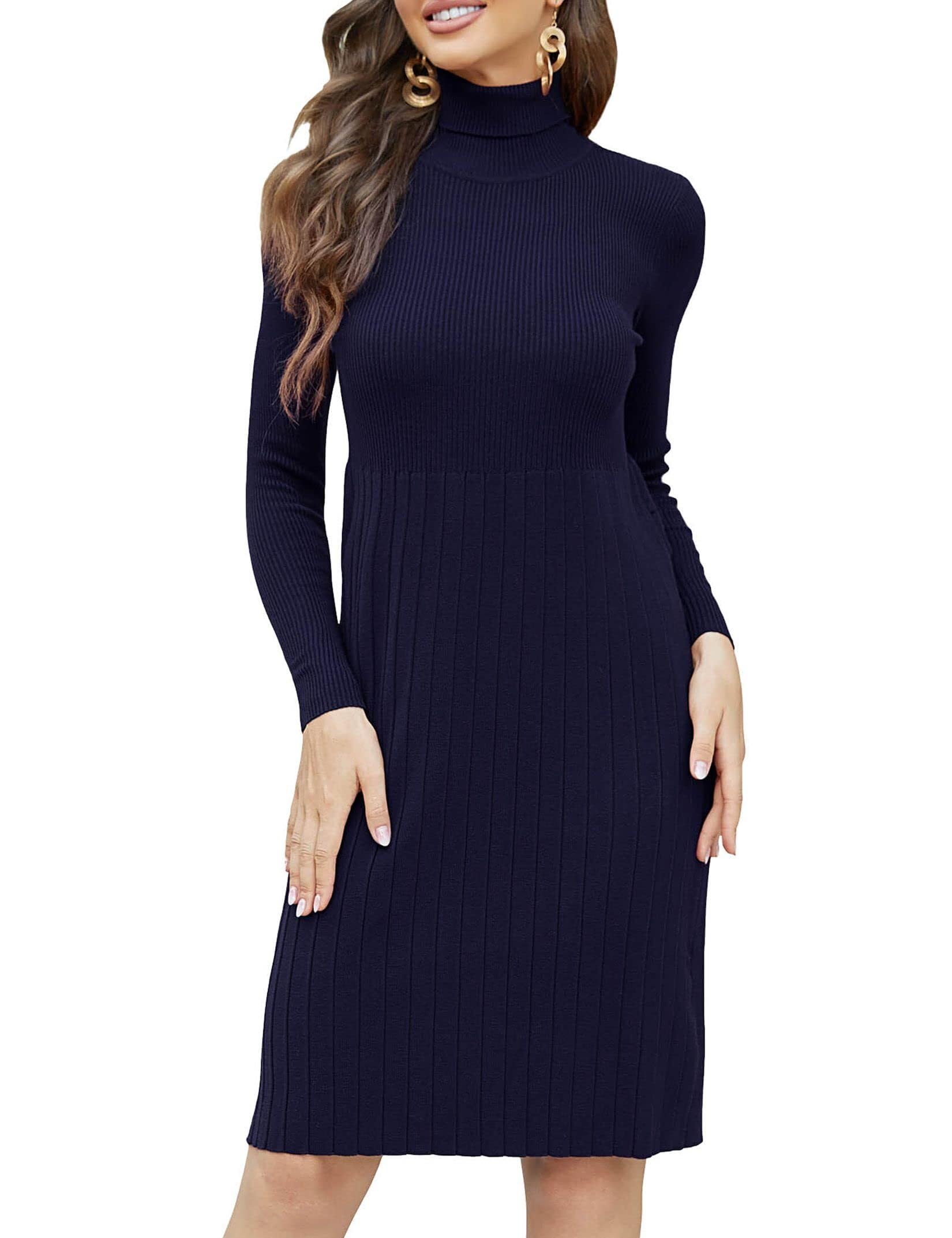
Rib Knit is a type of knit fabric with alternating raised and recessed rows of stitches, giving it a ribbed texture and natural stretch. It is commonly made from cotton, wool, acrylic, or blended fibers with added elastane or spandex for extra elasticity.
Key characteristics of Rib Knit:
Distinct raised rib pattern that adds texture and flexibility
Excellent stretch and recovery, ideal for fitted garments
Soft, comfortable, and breathable
Prone to stretching or distortion if mishandled
Retains warmth and shape when cared for properly
Due to its knit construction, Rib Knit needs gentle care to prevent snagging, pilling, and loss of elasticity.
02|5 Essential Steps Before Washing
Preparation ensures the ribs and structure remain intact:
Check the care label for fiber content and manufacturer instructions
Inspect for loose threads or snags
Turn garments inside out to protect the ribs
Fasten zippers or buttons
Spot-clean stains gently before full washing
Proper preparation minimizes stretching and maintains the ribbed texture.
03|Choosing the Right Water Temperature
Temperature affects fiber integrity and elasticity:
Recommended:
Cold to lukewarm water (20–30°C / 68–86°F)
Avoid:
Hot water
Rapid temperature changes
Excess heat can weaken fibers, distort ribs, or shrink garments.
04|Detergent Selection
Use mild, gentle detergents designed for delicates or knits:
Best options:
Liquid detergents for wool, cotton, or synthetic blends
pH-neutral formulas
Avoid:
Bleach or harsh chemicals
Fabric softeners (can reduce stretch)
Heavy powders
Gentle detergent preserves texture, softness, and rib definition.
05|Machine Wash vs. Hand Wash
Hand washing is preferred for delicate or high-stretch Rib Knits:
Hand washing:
Soak and gently press water through fabric
Avoid rubbing or twisting
Machine washing (if label allows):
Use a mesh laundry bag
Gentle/delicate cycle with cold water
Wash with similar colors
Avoid washing with rough fabrics that can cause pilling or snagging.
06|Spinning & Wringing
Proper water removal protects rib structure and elasticity:
Recommended:
Press water out gently by hand
Minimal spin speed if using a machine
Avoid:
Wringing, twisting, or heavy spinning
Careful handling maintains the stretch and shape of ribs.
07|Drying Methods That Extend Garment Life
Air drying is best to preserve texture and fit:
Best practices:
Lay flat on a clean towel or mesh drying rack
Reshape edges and ribs while damp
Dry in a shaded, ventilated area
Avoid:
Direct sunlight
Tumble drying
Hanging heavy wet garments (can stretch ribs)
Proper drying keeps Rib Knit garments snug, textured, and wearable.
08|Ironing & Reshaping
Rib Knits generally need minimal ironing:
Recommended:
Use low heat with a pressing cloth if needed
Steam lightly to remove minor wrinkles
Iron inside out to protect texture
Avoid:
High heat or heavy pressure
Direct contact with dry iron on raised ribs
Gentle steaming preserves rib definition and elasticity.
09|Rib Knit Garment Storage Guide
Proper storage maintains shape, texture, and stretch:
Recommended:
Store fully dry and clean
Fold sweaters and tops to avoid stretching
Hang lightweight Rib Knits on padded hangers if needed
Use breathable garment bags for long-term storage
Avoid:
Damp or tightly stacked storage
Overstretching cuffs or hems
Direct sunlight for prolonged periods
Proper storage ensures the ribs remain defined and garments maintain fit.
YESFASHION Final Care Note
At YESFASHION, we value the stretch, texture, and comfort that Rib Knit fabrics provide. By following these washing, drying, ironing, and storage guidelines, your Rib Knit garments will retain their ribbed texture, elasticity, and shape for seasons to come. Proper care ensures each piece remains stylish, comfortable, and ready to wear at its best.
Mega Sales





- Choosing a selection results in a full page refresh.
- Opens in a new window.