
Skeleton text
Skeleton text
Skeleton text
Skeleton text
Skeleton text
Skeleton text
Care Guide


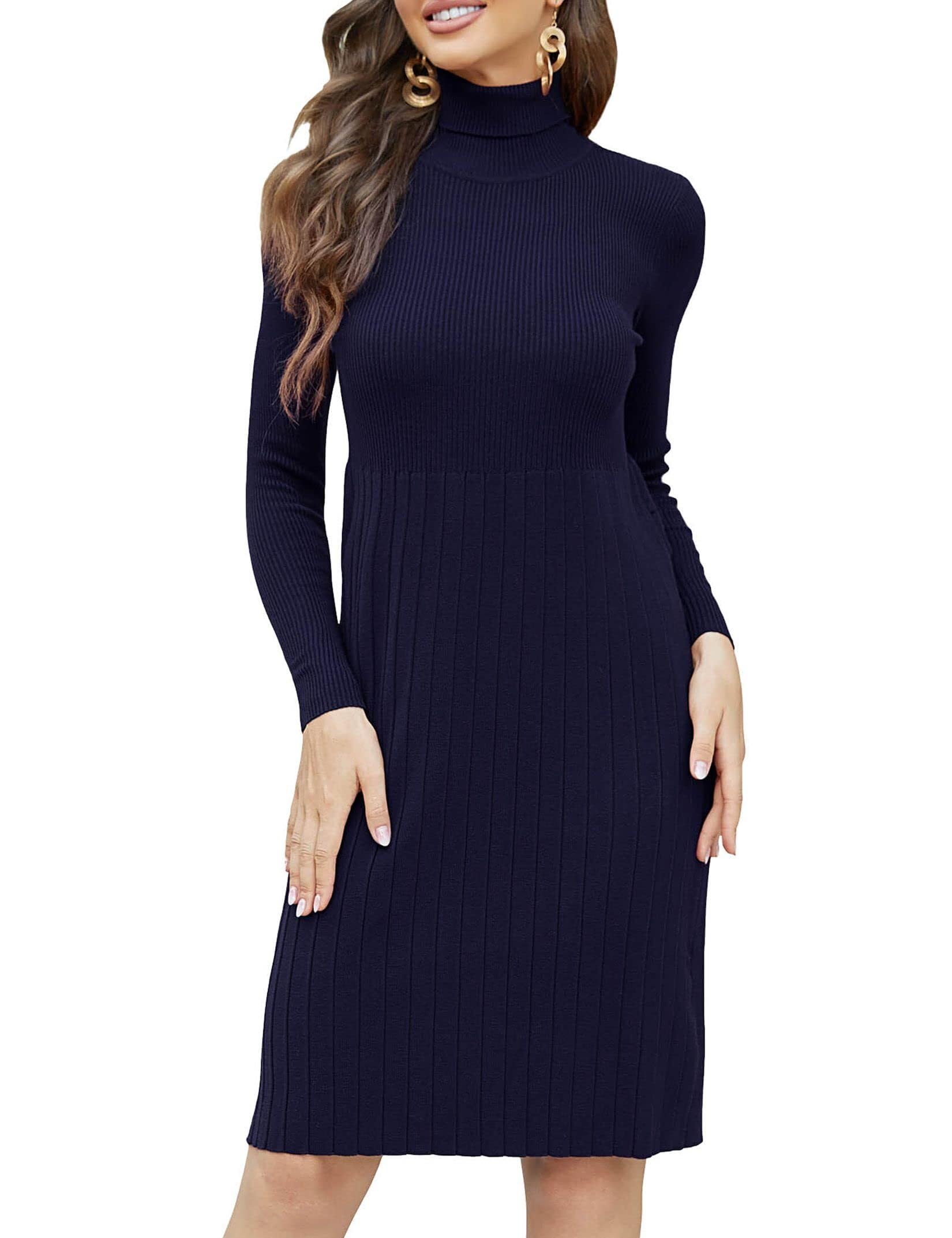
Lightweight, warm, and soft to the touch, acrylic fabrics are designed to deliver comfort without the weight of traditional wool. However, acrylic fibers are also sensitive to heat, friction, and harsh washing methods. With proper care, acrylic garments can maintain their shape, color, and smooth texture over time. This guide walks you through the essential steps to care for acrylic clothing correctly—so your pieces stay polished, cozy, and long-lasting.
01|Understanding Acrylic Fabric
Acrylic is a synthetic fiber derived from polymer-based materials, engineered to replicate the warmth, softness, and appearance of natural wool while offering lighter weight and improved durability. It is commonly used in knitwear, sweaters, scarves, and cold-weather garments.
Key characteristics of acrylic fabric:
Lightweight with good thermal insulation
Soft hand feel, often wool-like in appearance
Resistant to wrinkles and fading
Low moisture absorption
Sensitive to heat and prone to pilling under friction
Because acrylic fibers soften and deform easily under heat, improper washing or drying can cause stretching, fuzziness, or permanent shape loss.
02|5 Essential Steps Before Washing
Preparing acrylic garments before washing helps prevent damage and pilling.
Check the care label for fiber blends and special finishes
Turn garments inside out to reduce surface friction
Close zippers and fasten buttons
Wash with similar lightweight fabrics
Use a laundry bag for knits or delicate pieces
These steps minimize abrasion and preserve the fabric surface.
03|Choosing the Right Water Temperature
Acrylic fibers respond best to cool water.
Recommended:
Cold water (≤ 30°C / 86°F)
Avoid:
Warm or hot water
Sudden temperature changes
Heat can cause acrylic fibers to soften, stretch, or lose their original shape.
04|Detergent Selection
Choose a mild liquid detergent that cleans gently without residue.
Best options:
Detergents for delicate or synthetic fabrics
Low-alkaline, bleach-free formulas
Avoid:
Bleach or whitening agents
Fabric softeners
Heavy powder detergents
Harsh chemicals weaken fibers and increase surface fuzzing.
05|Machine Wash vs. Hand Wash
Both methods are acceptable when done carefully.
Machine washing:
Use gentle or delicate cycle
Cold water only
Low agitation
Place garments in a laundry bag
Hand washing (recommended for sweaters and knits):
Gently soak and press
Do not scrub or twist
Always avoid overcrowding to reduce friction.
06|Spinning & Wringing
Improper spinning is one of the main causes of acrylic deformation.
Recommended:
Low spin speed
Gently press excess water out with a towel
Avoid:
High-speed spinning
Twisting or wringing the garment
Gentle handling helps maintain the original shape.
07|Drying Methods That Extend Garment Life
Drying technique plays a critical role in acrylic care.
Best practices:
Lay flat on a clean towel
Reshape while damp
Dry away from direct heat or sunlight
Avoid:
Tumble drying
Radiators or heated surfaces
Hanging while wet (may cause stretching)
Heat exposure can permanently damage acrylic fibers.
08|Ironing & Reshaping
Acrylic garments generally do not require ironing.
If wrinkles occur:
Use steam from a distance
Lightly smooth with hands
Avoid:
Direct ironing
High heat or pressure
Acrylic fibers can melt or flatten under direct heat.
09|Acrylic Garment Storage Guide
Proper storage helps prevent stretching and pilling.
Recommended:
Store garments clean and fully dry
Fold rather than hang
Keep in a cool, dry, breathable space
Avoid:
Hanging heavy acrylic knits
Tight compression
Humid storage environments
Good storage preserves both structure and surface quality.
YESFASHION Final Care Note
At YESFASHION, we believe fabric care is part of thoughtful fashion. Acrylic garments are designed for warmth, softness, and everyday ease—and with the right care, they stay that way. Follow these guidelines to keep your pieces looking refined, feeling comfortable, and ready for seasons to come.
Mega Sales





- Choosing a selection results in a full page refresh.
- Opens in a new window.