
Skeleton text
Skeleton text
Skeleton text
Skeleton text
Skeleton text
Skeleton text
Care Guide


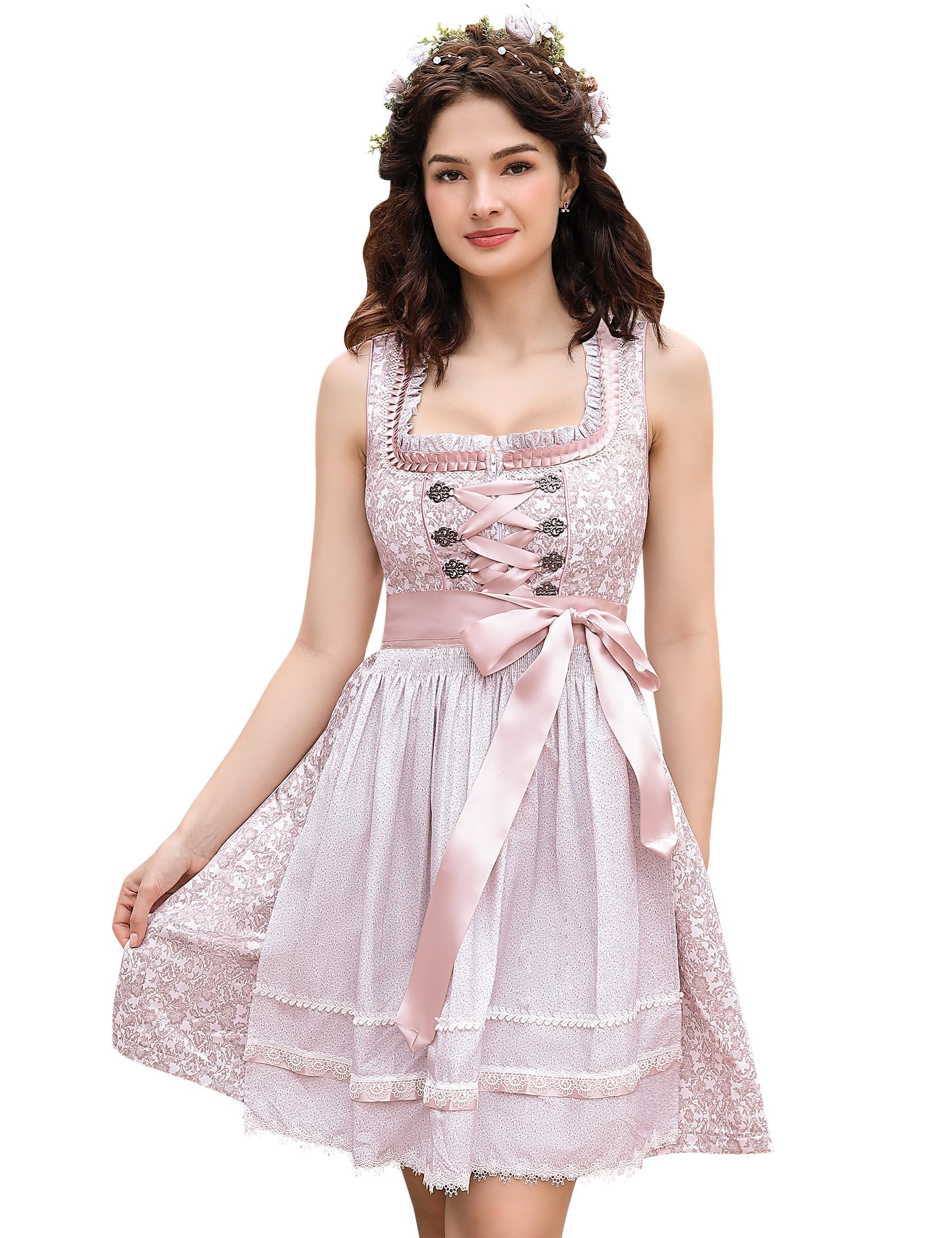
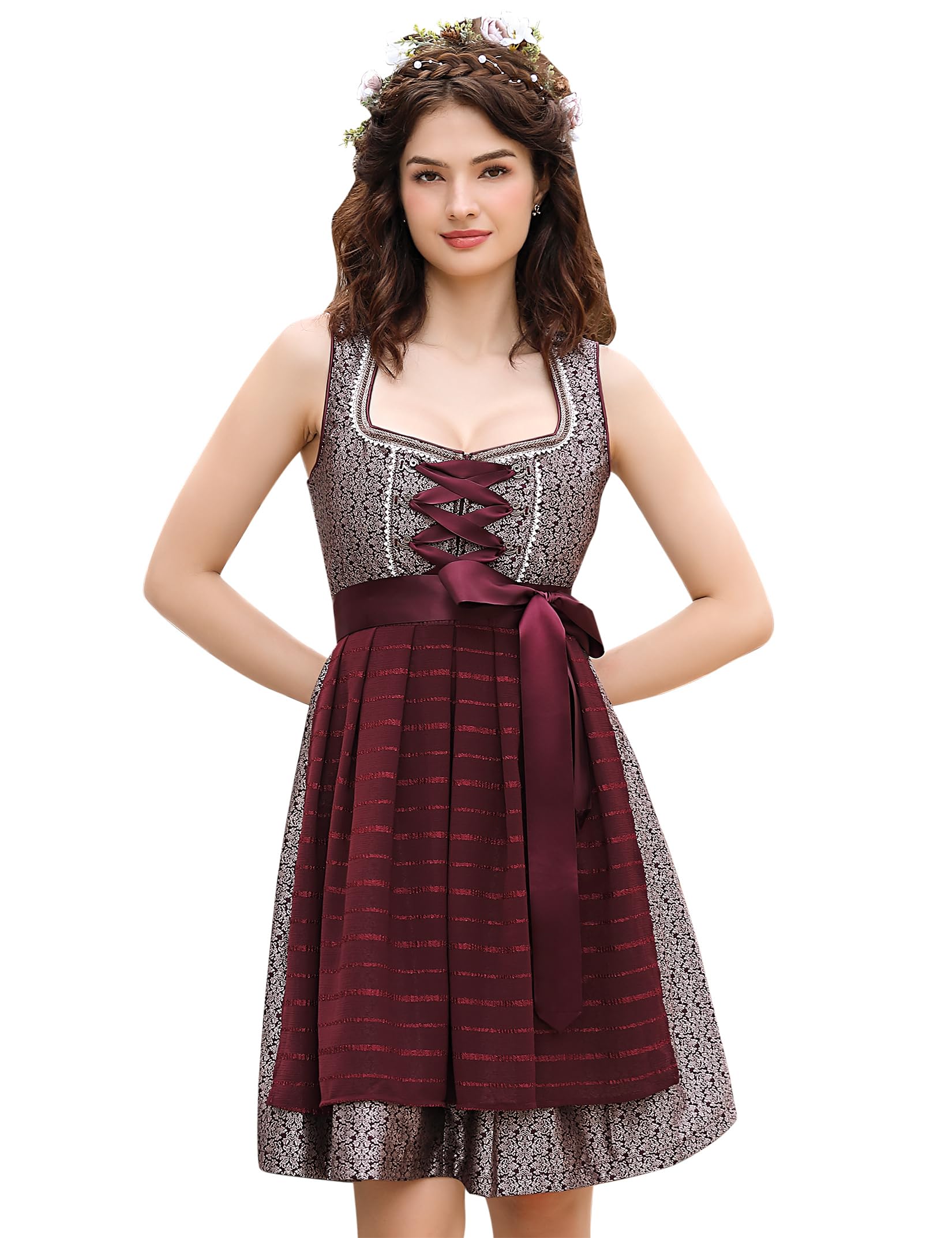
Jacquard fabrics are known for their intricate woven patterns and luxurious textures, often used in jackets, dresses, upholstery, and statement pieces. Each design is woven directly into the fabric, offering durability and elegance without additional embroidery. While visually striking and robust, Jacquard requires careful handling to preserve its pattern, texture, and color over time. This guide provides detailed instructions to help you maintain the beauty and longevity of your Jacquard garments.
01|Understanding Jacquard
Jacquard is a woven fabric characterized by complex patterns integrated into the weave rather than printed or embroidered. It can be made from silk, cotton, polyester, wool, or blends. The fabric’s strength and structure come from the weaving technique, giving it a slightly raised texture and pronounced pattern, which demands thoughtful care.
Key characteristics of Jacquard fabric:
Intricate woven patterns, often textured or raised
Strong, structured, and durable
Can be made from natural or synthetic fibers
Retains shape and pattern well but prone to snagging
Sensitive to harsh chemicals and excessive friction
Proper care ensures Jacquard maintains its structured elegance and vibrant designs.
02|5 Essential Steps Before Washing
Preparation helps protect patterns and texture:
Check the care label for fiber content and instructions
Inspect for loose threads, snags, or embellishments
Turn garments inside out to protect the pattern
Fasten buttons, zippers, or hooks
Spot-clean stains gently before washing
These steps minimize friction and protect the woven patterns.
03|Choosing the Right Water Temperature
Temperature control preserves fabric integrity:
Recommended:
Cold to lukewarm water (20–30°C / 68–86°F)
Avoid:
Hot water
Rapid temperature changes
High heat can distort fibers, fade colors, or damage the texture.
04|Detergent Selection
Use gentle, fiber-safe detergents suitable for delicates or structured fabrics.
Best options:
Mild liquid detergents for wool, silk, or polyester
pH-neutral formulas
Avoid:
Bleach or strong chemicals
Fabric softeners
Heavy powders
Harsh detergents can weaken fibers and dull patterns.
05|Machine Wash vs. Hand Wash
Hand washing is preferred for delicate Jacquard:
Hand washing:
Soak in cold water with mild detergent
Gently press water through fabric; avoid rubbing
Machine washing (if label permits):
Use a laundry bag
Gentle/delicate cycle
Cold water
Avoid washing with rough fabrics that can cause snags.
06|Spinning & Wringing
Excessive force can distort woven patterns:
Recommended:
Press water out gently by hand
Minimal spin speed if using a machine
Avoid:
Wringing, twisting, or heavy spinning
This preserves texture, shape, and the intricate pattern.
07|Drying Methods That Extend Garment Life
Proper drying maintains pattern and structure:
Best practices:
Lay flat on a clean towel or hang gently
Reshape seams and panels while damp
Dry in a shaded, ventilated area
Avoid:
Direct sunlight
Tumble drying
Stretching while wet
Air drying keeps Jacquard crisp and vibrant.
08|Ironing & Reshaping
Ironing requires care to avoid flattening the pattern:
Recommended:
Low heat setting with a pressing cloth
Steam lightly to smooth wrinkles
Iron inside out if necessary
Avoid:
High heat
Heavy pressure that flattens raised designs
Proper steaming preserves the fabric’s texture and elegance.
09|Jacquard Garment Storage Guide
Correct storage protects woven patterns and shape:
Recommended:
Store fully dry and clean
Hang jackets and structured garments on padded hangers
Fold lightly if needed for layered storage
Use breathable garment bags for long-term storage
Avoid:
Damp storage
Tight stacking or compression
Prolonged sunlight exposure
Proper storage maintains pattern integrity, texture, and vibrancy.
YESFASHION Final Care Note
At YESFASHION, we recognize the craftsmanship behind Jacquard fabrics. With careful handling, washing, drying, and storage, your Jacquard garments will retain their luxurious texture, intricate patterns, and vibrant colors for years. Following these guidelines ensures your wardrobe pieces remain elegant, structured, and visually striking for every occasion.
Mega Sales





- Choosing a selection results in a full page refresh.
- Opens in a new window.