
Skeleton text
Skeleton text
Skeleton text
Skeleton text
Skeleton text
Skeleton text
Care Guide


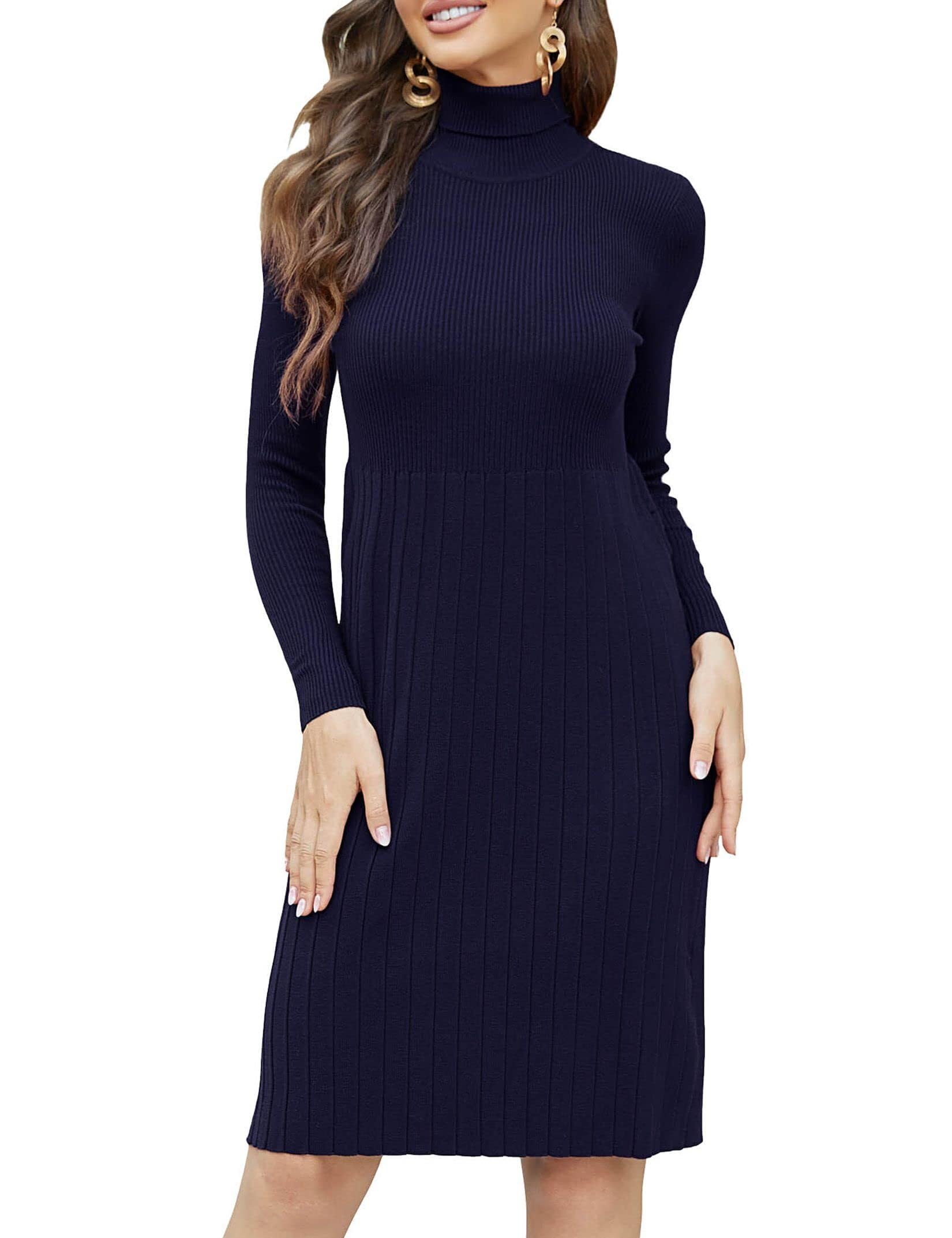
Knit fabrics are the perfect blend of comfort, stretch, and versatility. From soft sweaters to everyday tees, knit garments move with your body while retaining shape—when cared for properly. With the right washing, drying, and storage methods, knitwear maintains its elasticity, softness, and appearance for years.
01|Understanding Knit Fabric
Knit fabric is constructed from interlooped yarns, unlike woven fabrics which use perpendicular threads. This structure gives knits their signature stretch, recovery, and softness. Knits can be made from natural fibers (cotton, wool, silk), synthetics (polyester, nylon, spandex), or blends.
Key characteristics:
Stretch and elasticity due to looped structure
Soft hand feel, often drapey and flexible
Prone to snagging and pilling
Sensitive to heat and agitation, which can distort loops
Maintains shape best when washed gently and dried flat
Professional Insight:
Most knit damage occurs during washing or drying—overstretching, high heat, and friction are the primary risks.
02|5 Essential Steps Before Washing
Check the care label carefully – fiber content determines washing method.
Turn garments inside out – reduces pilling and protects surface loops.
Close zippers and fasten buttons – prevents snagging.
Separate by color and weight – dark or heavy knits should not mix with light fabrics.
Remove lint and debris – prevents further abrasion during washing.
03|Water Temperature Selection
Water Temperature
Recommended Use
Risk
Cold (≤30°C / 86°F)
✔ Best for all knits
Maintains shape, prevents shrinkage
Lukewarm (30–35°C / 86–95°F)
⚠ Limited use
Slight risk of fiber stress
Warm/Hot (≥40°C / 104°F)
❌ Avoid
Shrinkage, stretching, or fading
Pro Tip: Always use cold water for delicate or blended knits.
04|Detergent Selection
Recommended:
Mild, liquid detergents for delicates or natural fibers
Low-foam formulas
Avoid:
Bleach
Fabric softeners (can flatten fibers)
Heavy alkaline detergents
Too much detergent can leave residue, causing stiffness or pilling.
05|Machine Wash vs. Hand Wash
Hand Wash (Preferred for Delicate Knits)
Cold water, gentle swirl
Do not rub or twist
Rinse carefully
Machine Wash (If Label Allows)
Delicate/Gentle cycle
Cold water
Low spin speed
Use a mesh laundry bag
Always remove promptly after wash to prevent stretching.
06|Spinning, Wringing & Moisture Removal
Never wring or twist knits
Low-speed spin or towel-press to remove excess water
Support entire garment while wet to prevent distortion
07|Drying: Extending Knitwear Life
Lay flat to dry – avoids stretching and distortion
Reshape loops and seams while damp
Keep out of direct sunlight or heat sources
Avoid:
Hanging wet knits (causes stretching)
Tumble drying (risk of shrinkage and pilling)
08|Ironing & Reshaping
Use low to medium heat if ironing is necessary
Iron inside out
Steam gently to relax fibers
Avoid direct heat on synthetic blends
Most knits smooth naturally when properly dried and worn.
09|Knit Fabric Garment Storage Guide
Fold sweaters and knits rather than hanging
Store in a cool, dry, breathable space
Use cedar or lavender to deter moths
Avoid plastic bags or tight compression
Proper storage prevents stretching, pilling, and distortion of loops.
YESFASHION Care Note
Knit fabrics combine flexibility, comfort, and style. Gentle washing, cold water, and flat drying maintain elasticity, softness, and shape—helping your knitwear stay beautiful wear after wear.
Mega Sales





- Choosing a selection results in a full page refresh.
- Opens in a new window.